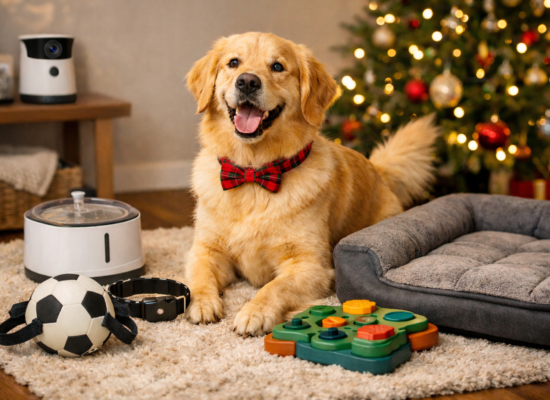
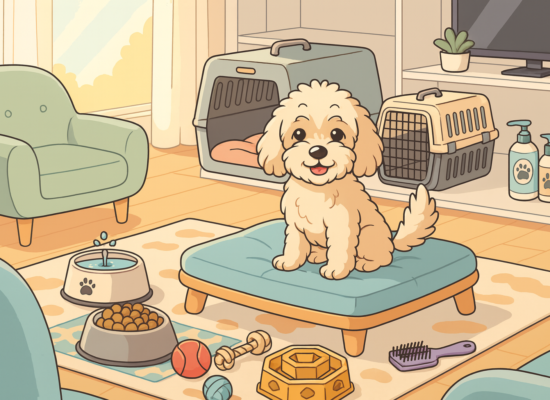
Dogs are more than pets — they’re loyal companions, adventure partners, and cherished family members. Giving them the best life requires practical, forward-thinking care that covers nutrition, grooming, exercise, enrichment, comfort, hygiene, and safety. This guide delivers a modern, trend-conscious approach to dog essentials.
1. Nutrition Essentials
Over 50% of household dogs are overweight, making smart nutrition essential for optimal health.
Key Nutritional Considerations
- Life-stage diets: Puppies need nutrient-dense, growth-supporting formulas with protein and DHA for cognitive development. Adult dogs thrive on balanced maintenance diets rich in quality protein and fibers, while seniors benefit from joint-support ingredients and moderate calories.
- Breed & size considerations: Large breeds are prone to orthopedic stress, so diets with controlled calcium, glucosamine, and chondroitin support healthy bones and joints. Small breeds have faster metabolisms and higher energy demands, so calorie-dense kibble helps maintain weight, energy, and blood sugar balance.
- Ingredient quality & functional benefits: Prioritize real meat as the primary ingredient, combined with superfoods like sweet potato, turmeric, or omega-rich oils to boost immunity, coat health, and gut function.
- Consistent feeding routines: Structured meals reduce overeating, stabilize digestion, and support metabolic health.
- Hydration & modern water solutions: Fresh water is essential for energy, organ function, and thermoregulation. Filtered dog fountains are a modern upgrade — circulating water keeps it clean, oxygenated, and enticing, encouraging pets to drink more consistently.
2. Grooming & Hygiene
Dental disease affects nearly 80% of dogs over age 3, highlighting the importance of routine care.
Key Grooming Habits
- Brushing mastery: Short coats once weekly; long or double-coated breeds multiple times per week to prevent matting, remove dead hair, and stimulate circulation.
- Modern bathing techniques: pH-balanced, hypoallergenic shampoos enriched with botanicals or oatmeal maintain skin health.
- Precision nail care: Trim nails every 3–4 weeks to prevent discomfort and postural strain.
- Ear care protocol: Especially important for floppy or hairy-eared breeds to prevent moisture-related infections.
- Dental hygiene upgrade: Frequent brushing and enzymatic chews reduce tartar, support gums, and maintain a healthy oral microbiome.
3. Exercise & Walking
Inactivity contributes to obesity, joint issues, and behavioral stress — even moderate daily activity makes a difference.
How Much Activity Do Dogs Need?
- Small breeds: 30–60 minutes of brisk walking, indoor play, or agility-style games.
- Medium breeds: 45–90 minutes of mixed walks, fetch, and interactive play.
- Large/active breeds: 1–2 hours of structured activity including running, hiking, or dog park sessions.
The Benefits of Regular Exercise
Consistent activity supports cardiovascular health, strengthens muscles and joints, regulates metabolism, and promotes behavioral balance. Adding variety, like scent trails, agility challenges, or interactive play, keeps dogs mentally sharp and physically engaged.
4. Comfort & Resting Areas
High-quality rest zones optimize sleep, recovery, and emotional stability.
Key Comfort Considerations
- Ergonomic bedding: Orthopedic or memory foam for senior and large breeds; plush beds for small curlers; bolster beds for dogs that like to lean or nest.
- Strategic placement: Quiet, draft-free zones that balance security and social inclusion.
- Predictable routines: Dogs relax best when they consistently know where to rest after activity.
5. Play & Enrichment
Enrichment prevents boredom, destructive behaviors, and supports cognitive development.
Best Play & Cognitive Stimulation
- Chew toys: Support dental health and satisfy natural chewing instincts.
- Fetch & active toys: Burn energy and reinforce obedience.
- Soft toys & comfort objects: Provide emotional security and comfort.
- Puzzle feeders & slow-feed devices: Encourage problem-solving and slow eating for metabolic health.
Why Enrichment Matters
Rotating toys and offering varied activities keeps dogs stimulated, prevents boredom-driven behaviors, and promotes mental agility — essential for intelligent or high-drive breeds.
6. Hygiene & Home Care
A clean environment directly supports physical health, reduces infection risk, and enhances comfort.
Key Home Care Habits
- Bedding sanitation: Wash every 1–2 weeks to eliminate odors and allergens.
- Bowl hygiene: Clean food and water bowls daily to prevent bacterial growth.
- Toxic substance safety: Store chemicals, foods like chocolate or grapes, and small objects out of reach.
- Toy & gear maintenance: Inspect and replace damaged items to reduce choking hazards or injury.
7. Safety & Preventive Care
Proactive preventive strategies lay the foundation for a long, healthy, and active life.
Core Safety & Health Measures
- Routine veterinary visits: Annual or semi-annual checkups for vaccines, screenings, and early detection.
- Parasite protection: Monthly flea, tick, and worm prevention.
- Identification: Microchipping and updated ID tags increase the likelihood of recovery if lost.
- Behavioral & habit monitoring: Watch for subtle changes in appetite, coat, bathroom habits, or mobility to catch issues early.
Final Thoughts
Modern dog care combines tradition with innovation — smart nutrition, advanced grooming, structured exercise, enrichment, clean living spaces, and proactive health strategies. Integrating these essentials creates a high-quality lifestyle, ensuring your dog thrives physically, mentally, and emotionally, while strengthening your lifelong bond.