Cats aren’t just pets—they’re family. Meeting their needs in nutrition, grooming, rest, play, and hygiene is the key to a healthy and happy life.
Whether you’re a first-time cat owner or a seasoned enthusiast, this comprehensive guide covers everything your cat truly needs in 2025.
1. Feeding Essentials
A proper diet is the cornerstone of your cat’s health, affecting energy levels, coat quality, digestion, and overall longevity. Cats are obligate carnivores, requiring high-quality animal protein to thrive.
Key Considerations for Feeding:
- Wet vs. Dry Food: Wet food helps with hydration and is often more appealing. Dry food is convenient, supports dental health, and can be left out for grazing. Many owners use a combination of both for optimal nutrition.
- Whisker-Friendly Bowls: Cats’ whiskers are highly sensitive. Deep or narrow bowls can cause whisker fatigue, where constant contact creates stress or discomfort. Wide, shallow dishes allow cats to eat comfortably without overstimulation.
- Portion Control & Obesity Prevention: Indoor cats are prone to weight gain. Scheduled meals and measured portions maintain a healthy weight.
- Hydration: Fresh water should be accessible at multiple points. Flowing water fountains encourage drinking and support urinary health.
- Supplements & Treats: Occasional omega-3s, taurine, or probiotics support coat, heart, and digestive health. Moderation is key.
- Dietary Sensitivities & Allergies: Observe for signs like itching, vomiting, or diarrhea, and consult your vet for specialized diets.
2. Grooming & Hygiene
While cats groom themselves, human support ensures hygiene and helps prevent health issues. Proper grooming also allows you to check for subtle signs of illness.
Grooming Essentials:
- Brushing: Long-haired cats need daily brushing; short-haired cats benefit from weekly brushing. Brushing prevents mats, tangles, and hairballs while distributing natural oils.
- Nail Care: Trim nails every 2–3 weeks to prevent overgrowth and accidental scratches. Introduce trimming gradually and use positive reinforcement.
- Ear & Eye Care: Check for wax buildup or discharge. Clean gently to prevent infection.
- Dental Care: Brushing or dental chews reduce plaque and gum disease. Vet check-ups are crucial.
- Bathing & Cleaning: Most cats need minimal bathing. Waterless wipes or gentle shampoos are sufficient when necessary.
Litter Box Essentials:
A clean, well-placed litter box is critical for hygiene and comfort.
- Number & Placement: Provide one litter box per cat plus one extra, placed in quiet, low-traffic areas. Avoid noisy or high-traffic zones.
- Cleanliness: Scoop daily and clean thoroughly weekly to reduce odor and maintain usage.
- Litter Type & Sensory Considerations: Unscented, clumping litter is often preferred. Cats’ paws are sensitive—some may reject rough or scented litter. Consider softer textures to avoid paw discomfort.
- Special Considerations: Multiple boxes in multi-cat households prevent territorial stress and ensure all cats have access without conflict.
3. Comfort & Sleeping Areas
Cats spend a large portion of their lives resting. Proper comfort is essential for both physical health and emotional security.
Creating Comfortable Spaces:
- Multiple Resting Spots: Provide beds, cushions, or blankets in quiet corners, near windows, or on elevated surfaces. Cats like having options to choose their preferred environment.
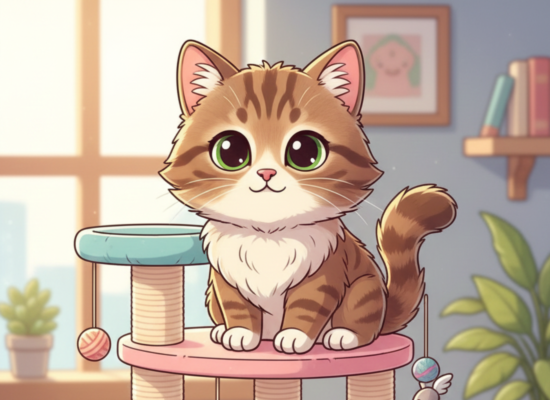
- Elevated Perches & Cat Trees: High vantage points allow observation and a sense of security. Multi-level cat trees or wall-mounted shelves add vertical territory and entertainment.
- Soft Materials & Bedding: Plush cushions, fleece blankets, or memory foam beds improve rest quality. Washable covers make cleaning easy.
- Temperature & Sunlight: Keep beds away from drafts but allow sunny spots. Heated pads benefit older cats or colder climates.
- Privacy & Security: Enclosed beds, tents, or boxes provide safe retreats for undisturbed rest.
Bonus Consideration: Cats love textures and variety. A mix of soft, firm, and slightly elevated surfaces can prevent boredom and support joint health.
4. Toys & Play
Play is essential for a cat’s physical fitness and mental stimulation. Lack of engagement can lead to obesity, stress, and behavioral issues.
Types of Play & Toys:
- Interactive Toys: Feather wands, laser pointers, or motorized toys mimic hunting behavior. Engage your cat daily for at least 10–15 minutes.
- Puzzle Feeders: Challenge your cat’s mind while rewarding them with food, especially important for indoor cats.
- Solo Toys: Balls, crinkle toys, or catnip-filled toys offer independent play. Rotate toys to prevent boredom.
- Scratching Options: Provide posts, boards, or multi-level trees to satisfy natural scratching instincts while protecting furniture.
- Outdoor Enrichment (Optional): Supervised exploration via harness, leash, or catio can provide safe stimulation.
Playtime Tips:
- Short, frequent sessions are more effective than a single long one.
- Tailor play to your cat’s instincts—some enjoy chasing, others prefer pouncing or batting.
- Ensure toys are safe, without small parts or cords that could be swallowed.
5. Health & Safety
Preventive care ensures your cat’s longevity and comfort.
Health Essentials:
- Regular Vet Visits: Annual check-ups help detect problems early. Vaccinations, parasite prevention, and dental care are essential.
- Observation: Monitor for subtle changes in behavior, appetite, or grooming habits, as cats often hide discomfort.
- Environmental Safety: Remove toxic plants, chemicals, and small objects. Indoor cats generally live longer, though environmental enrichment is still vital.
- Grooming & Hygiene Maintenance: Consistent brushing, nail care, and clean litter boxes support overall health and prevent hygiene-related issues.
Bonus Considerations:
- Be aware of whisker fatigue, paw sensitivity, and other subtle signs of discomfort in your cat. Addressing these small needs can dramatically improve comfort and reduce stress.
Conclusion
Caring for a cat goes beyond basic needs. Attention to nutrition, grooming, comfort, play, hygiene, and subtle wellness considerations like whisker fatigue and paw sensitivity ensures a long, healthy, and joyful life for your feline companion.
Every cat is unique. Observing their preferences, adapting care routines, and providing consistent attention fosters a happy, thriving pet and a harmonious relationship that enriches both your lives.